We Offer Bin Rentals. Rent now

How to Rent a Bin for an Outdoor Event in York Region
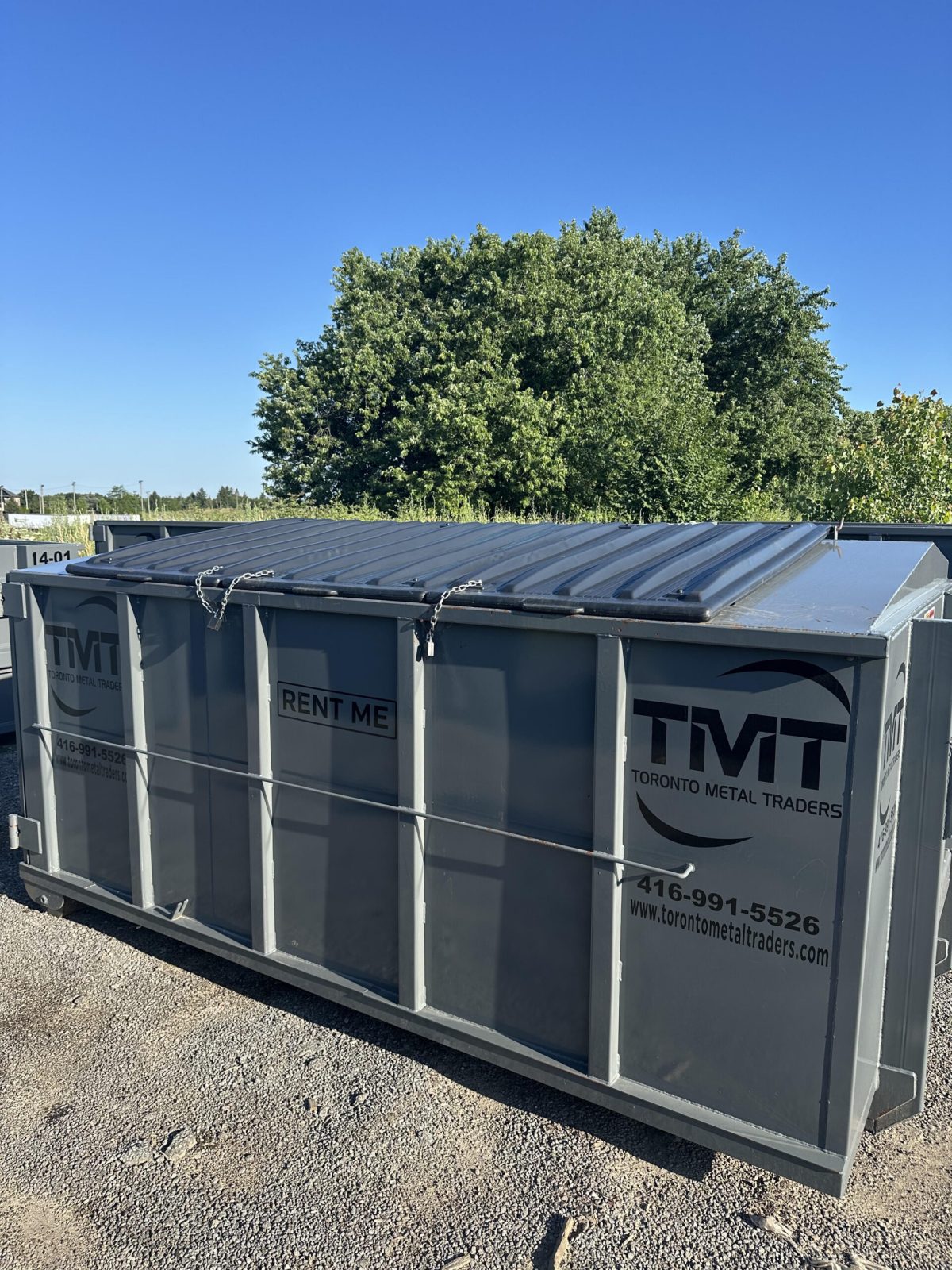
Events make a different kind of mess than renovations do. A basement clean-out gives you heavy waste that fills a bin from the bottom up. An outdoor event gives you the opposite: cups, plates, packaging, flattened boxes, and bags that are mostly air. It is light, it is bulky, and nearly all of it arrives in the last two hours of the day.
Whether you are running a music festival, a fundraiser, a market, a wedding, or a big community day, here is what to sort out before the bin shows up.
The short version: choose your bin by how much room the waste will take up, not by how heavy it will be. Event waste fills a bin long before it reaches the weight allowance. The two things that decide the size are how many people are coming and whether food and drink are being served.
What Size Bin Do You Need for an Outdoor Event?
This is the part people get backwards. Most bin sizing advice is written for renovation debris, where weight is what costs you money. A few thousand cups and food containers will fill a bin to the top and weigh almost nothing.
| Bin size | Weight included | Usually right for |
|---|---|---|
| 10 yard | 1 ton | Small events, private functions, one-day markets |
| 14 yard | 2 tons | Mid-size community events and fundraisers |
| 20 yard | 2.5 tons | Full-day events with food vendors |
Food and drink are what drive the volume. A dry event, such as a market, a car show, or a tournament, goes a good deal further on the same bin than a festival with food trucks and a bar.
For a large crowd, one bin is often not the answer. You are looking at two bins at opposite ends of the site, or one bin with a swap partway through.
Every TMT bin is flat rate with the weight already included, so sizing up for space carries no overage risk. Current pricing is on our bin rental page. The mistake that actually costs money is going too small and needing a second delivery on a Sunday.
How Far Ahead Should You Book?
Spring and summer are the busiest months across York Region, and events almost always need a weekend. Weekend slots go first.
Two weeks ahead is comfortable, one week is usually fine. A few days before a long weekend, you take what is left.
Booking early also gets you a say in the delivery time, which matters more for an event than for a job site. You want the bin in place before setup starts, not in the middle of it.
Where Should the Bin Go?
On a driveway this is simple. On a farm field, a park, or a parking lot, it takes a walk of the site first.
- Ground. A loaded bin weighs thousands of pounds. On soft ground or wet grass it sinks, and the truck ruts the surface. Look for firm, level ground near a laneway.
- Truck access. A clear path in and out, with room to line up. A spot that works for a bin does not always work for the truck delivering it.
- Distance from the crowd. Close enough that staff will actually walk to it, far enough that it is not beside the stage or the food. Our bins have swing-out barn doors, so bags and boxes wheel straight in rather than being lifted over the side.
- Permission. On private property, placement is between you and the property owner. On municipal land, a road, or a public park, check with the city early. Rules differ from one municipality to the next across York Region.
If the Bin Sits Overnight
An open bin left in a field overnight collects two things you did not plan for: other people’s garbage, and rain. Organisers of multi-day events sometimes return in the morning to find things nobody at the event put there, and a wet night does the same job differently, since water and soaked cardboard both weigh a great deal. Either way the extra weight is on your ticket.
If that is a risk at your site, ask about a bin with a lockable lid when you book. We keep a limited number and they can usually be arranged with notice, and we have written more about how lockable bins work if you want the detail.
Worth knowing before you plan around it: the lockable lids fit our 10 and 14 yard bins, not the 20. So if you need the 20 for space, a lid is not an option at that size, which is worth factoring into where you put it and whether anyone is on site overnight.
What If the Bin Fills Up Before the Event Ends?
It almost always happens at the same moment: the last two hours, when teardown starts and every vendor breaks down their packaging at once.
A swap means we take the full bin away and drop an empty one, which has to be booked ahead because it holds a truck and driver for your time slot. A second bin is often better for a big site, because two bins at opposite ends beat one bin that everything has to be carried to, and you are not waiting on a truck mid-event.
If you are near the line, the second bin is cheaper than the emergency call-out when the first one overflows.
If Someone Loses Something in the Bin
At any event with a few thousand people, somebody drops keys, a phone, or a wallet into a bin, usually in the dark and usually near the end.
Nobody should climb in. Not staff, not the person who lost it. Loose bags and broken-down boxes are not stable footing, the sides are higher to climb out of than in, and there can be broken glass anywhere in the load.
Tell us before pickup instead. A bin that has not been tipped can be searched safely on the ground. Once it reaches the sorting floor, it is gone.
Where Should Your Collection Points Go?
The bin is where waste ends up, not where it is created, and that gap is where most events go wrong.
Walk your site map and mark every place someone will be standing holding something they want rid of. That is almost always:
- Every exit and gate
- Beside each food vendor
- At the bar or drinks station
- Around the seating and lounge areas
- The vendor market, especially during teardown
- The volunteer and staff area, which produces more than people expect
Put a collection point at each one. Far-away bins do not get used, because people set things down instead, and someone picks them up one at a time at midnight. Label simply: long lists get ignored, a picture and one word gets read.
If your event will leave a real amount of metal behind, such as chair frames, tent poles, or old signage, it is worth keeping separate rather than mixed through the load. Mention it when you book.
What Cannot Go in the Bin?
Most bins cannot take hazardous or pressurised material, and events produce more of it than you would guess. The usual list:
- Paint, solvents, and fuel
- Propane tanks and any pressurised cylinder, including the small ones from patio heaters and food carts
- Batteries
- Tires
- Appliances containing refrigerant
Heavy fill such as concrete, brick, soil, and asphalt is a separate question again. It is not hazardous, but it is dense enough that not every bin or provider will take it, so ask before you assume it can go in.
Confirm the whole list when you book. One propane cylinder found on pickup day can hold up the entire bin. There is a fuller breakdown in our guide to forbidden items in a garbage bin.
What If It Rains?
Wet cardboard is heavy, and an open bin in a downpour collects water, which is the one way a light event load turns into a heavy one. Keep cardboard under cover and load it last.
A lockable lid helps here too. It will not keep everything dry, since the lid is open all day while people use it, but a closed bin overnight is the difference between a damp load and standing water.
Name One Person to Own the Bin
Decide before the day who owns the bin at the end of the night, and make sure they know the pickup time and what cannot go in.
Standard rental is seven days, covering setup, event day, and teardown, so teardown is not racing a deadline someone forgot about.
What Happens After the Bin Leaves
The bin does not go to a hole in the ground. Here is the actual trip, step by step.
- It gets weighed. The loaded bin goes over a certified scale on arrival, and the ticket from that scale is what your weight is based on. It is not an estimate and it is not rounded up to the next ton.
- It gets tipped onto a floor, not into a pit. The load comes out in one pile on concrete so it can be seen. Anything obviously wrong, such as a propane cylinder, a car battery, or a paint tin, is pulled out by hand, along with timber and anything else that would jam a belt.
- Cardboard and paper are pulled and baled. At an event this is a large share of the volume, since almost everything arrives in a box. Baled cardboard goes to a mill.
- Metal is separated and graded. Steel and tin lift straight out with a magnet. Aluminium comes out further down the line. Both can be melted and reformed again and again without losing quality, which is why a can really can be a can again.
- What is left is residual, meaning whatever could not be identified, separated, or cleaned up enough to recycle. That pile goes to landfill.
None of it is dramatic and there is no single machine that does the whole job. It is belts, magnets, and people pulling one material at a time out of a moving pile.
That last residual pile is almost always bigger than it needs to be, and the reason is nearly always the same: things went into the wrong place at the end of a long day. Once food and drink soak into cardboard, that cardboard stops being recyclable.
Which is why the collection points matter more than the bin does. A handful of clearly labelled stations near the exits, and someone briefed to point at them, does more for an event’s footprint than any other decision you will make.
Key Takeaways
- Size an event bin by volume rather than weight, because event waste is bulky and light and fills a bin long before it reaches the weight allowance.
- Book about two weeks ahead for a weekend, and walk the site for firm ground and truck access before you decide where the bin goes.
- Collection points at every exit, food vendor, and bar do more for a clean site than the bin itself.
- Ask about a lockable lid if the bin sits overnight, remembering they fit the 10 and 14 yard bins only.
Event Dumpster Rental: Common Questions
Can a bin sit on grass or a farm field?
Yes, on firm level ground. The risk is soft or wet ground, where a loaded bin sinks and the truck ruts the surface. Walk the route before picking the spot.
Do you need a permit for a bin at an outdoor event?
On private property, no. Placement is between you and the property owner. On a road, municipal land, or a public park, check with the city, because rules differ from one municipality to the next across York Region.
How long can you keep the bin?
Seven days as standard, which covers setup, event day, and teardown. If you need it longer than that, just ask when you book.
What size bin does a music festival need?
A 20-yard is the largest single bin we carry, and a full-day festival with food vendors will often need more than one, or a swap partway through the day. Event waste is bulky rather than heavy, so it fills a bin long before it hits the weight allowance. Give us your expected numbers and what is being served and we will work it out with you.
Can I get a lockable lid on any size?
Lockable lids fit our 10 and 14 yard bins, not the 20. If the bin is sitting out overnight and security or rain is a concern, that is worth factoring in when you choose the size.
Which areas do you deliver to?
We deliver bin rentals across York Region –
King City, Vaughan, Richmond Hill, Aurora, Newmarket, North York, Thornhill, and Woodbridge.
Planning an Outdoor Event in York Region?
Whether you are running a festival in King City, a fundraiser in Vaughan, or a community day anywhere across York Region, tell us what you are running and roughly how many people you expect, and we will tell you what size you need. Flat rate, weight included, no fuel charges or hidden fees.
To book or ask a quick question before the day, call Toronto Metal Traders at 416-991-5526 or use the form below.